
Finding the right sympathy gift can feel difficult. You want the person to know you care, but you may worry about saying the wrong thing or choosing something that feels too personal. The most thoughtful gesture is rarely the most expensive one. It is the one that respects the person’s loss, relationship, beliefs and wishes.
When is the right time to send a sympathy gift?
There is no single perfect time. Flowers or a card may arrive in the first few days, while a practical gift or personal keepsake can be meaningful weeks or months later, when the first wave of support has quietened.
- Immediately after the loss: A short message, card, meal or practical offer can be more helpful than an elaborate present.
- After the funeral or memorial: A thoughtful note or small remembrance gift can reassure someone that their loved one has not been forgotten.
- On a difficult anniversary: A gentle message on a birthday, anniversary or holiday can mean a great deal. Keep it simple and do not expect a reply.
If you are unsure, send a brief message first and let the person guide you. Grief is personal; some people appreciate a keepsake straight away, while others need time.
How to choose a thoughtful sympathy gift
1. Think about the person receiving it
Consider their personality, home, culture and relationship with the person who died. A quiet, practical gesture may suit someone who values privacy. A personalised remembrance item may feel right for someone who enjoys displaying photographs and meaningful objects.
2. Choose comfort over extravagance
A handwritten card, a delivered meal, a plant, a framed photograph or help with an everyday task can be more supportive than a costly gift. The purpose is to show care, not to make the loss feel smaller or to create an obligation.
3. Make personalisation optional
Names, dates, photographs and engraved messages can make a keepsake special, but they are also intimate. Only choose a personalised memorial gift when you know the recipient would welcome it. If you are uncertain, ask a close family member or choose something less permanent.
4. Consider a lasting photo keepsake
For someone who finds comfort in photographs, a custom photo keepsake can give a favourite memory a place in the home. A 3D photo crystal is one option: a selected photograph is laser-engraved inside clear crystal and can be displayed on an illuminated base. It is best offered thoughtfully, rather than presented as a way to replace or move on from the person who has died.
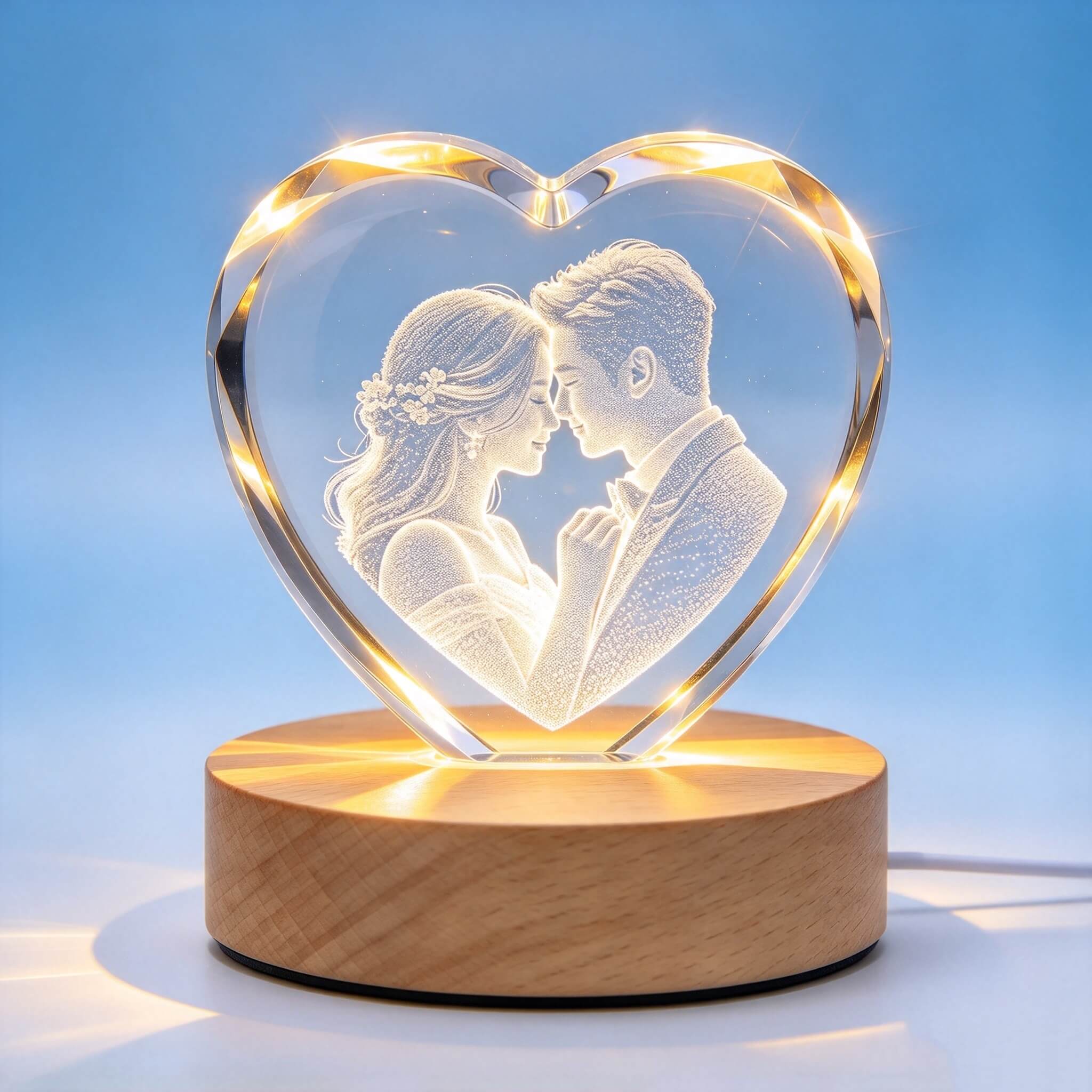
If this feels appropriate, explore our personalised heart crystal or learn how a 3D crystal photo keepsake is made. You can also read our guide to meaningful keepsake gifts for more ideas.
What should you avoid sending?
- Messages that explain the loss: Avoid phrases such as “everything happens for a reason” or “they are in a better place” unless you know these words fit the recipient’s beliefs.
- Pressure to respond: Do not ask for an update or expect a thank-you. A grieving person may not have the energy to reply.
- Uninvited religious or spiritual items: These can be comforting when they match someone’s beliefs, but inappropriate when they do not.
- Overly personal photo gifts without checking: A photograph or memorial object may bring comfort, but it can also be overwhelming. Ask someone close to the recipient if you are unsure.
- Gifts that create work: Choose easy-to-use items and avoid anything that requires complicated care, assembly or a specific display space.
What can you write in a sympathy card?
You do not need perfect words. A sincere, simple message is usually best. You might write:
- “I am so sorry for your loss. I am thinking of you and your family.”
- “I will always remember [Name]’s warmth and kindness.”
- “There is no need to reply. I just wanted you to know I am here.”
- “I would love to bring dinner by this week if that would help.”
- “I am remembering [Name] with you today.”
If you share a specific memory, keep it gentle and genuine. A small detail about the person’s humour, generosity or favourite habit can be more comforting than a long message.
Should you ask before sending a memorial gift?
For flowers, food or a simple card, asking is not always necessary. For a personalised or permanent keepsake, checking first is often considerate. You could say: “I was thinking of making something with one of your favourite photos of [Name]. Would that feel comforting, or would you prefer something else?” This gives the recipient room to say yes, no or not yet.
A thoughtful gesture matters more than a perfect gift
There is no gift that can take away grief. What matters is showing up with patience, kindness and respect for the person’s own way of remembering. A note, practical help or carefully chosen keepsake can all communicate the same message: you are not alone, and the person you miss is remembered.
For more ideas, browse our personalised crystal gifts or explore our other articles on memorial gift ideas.